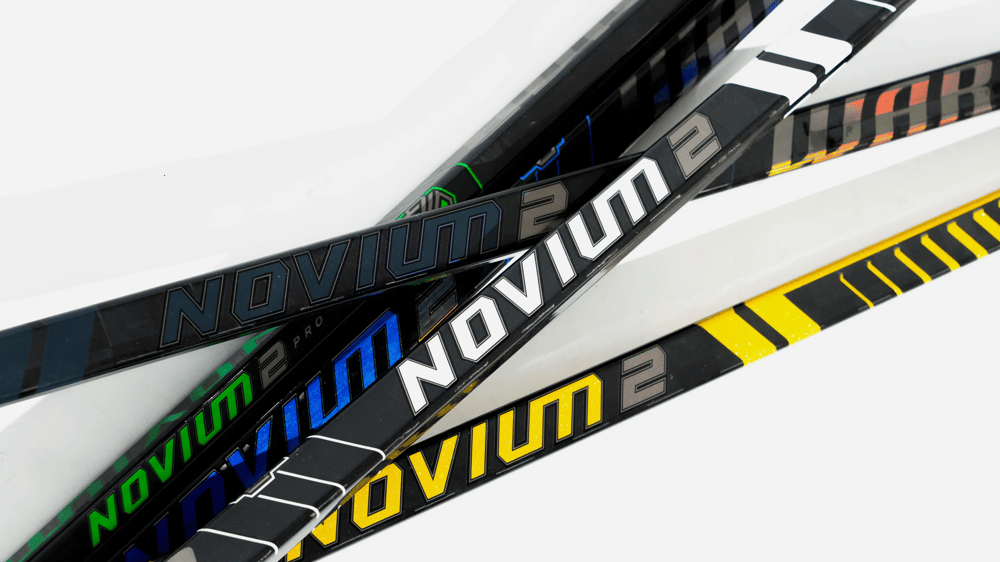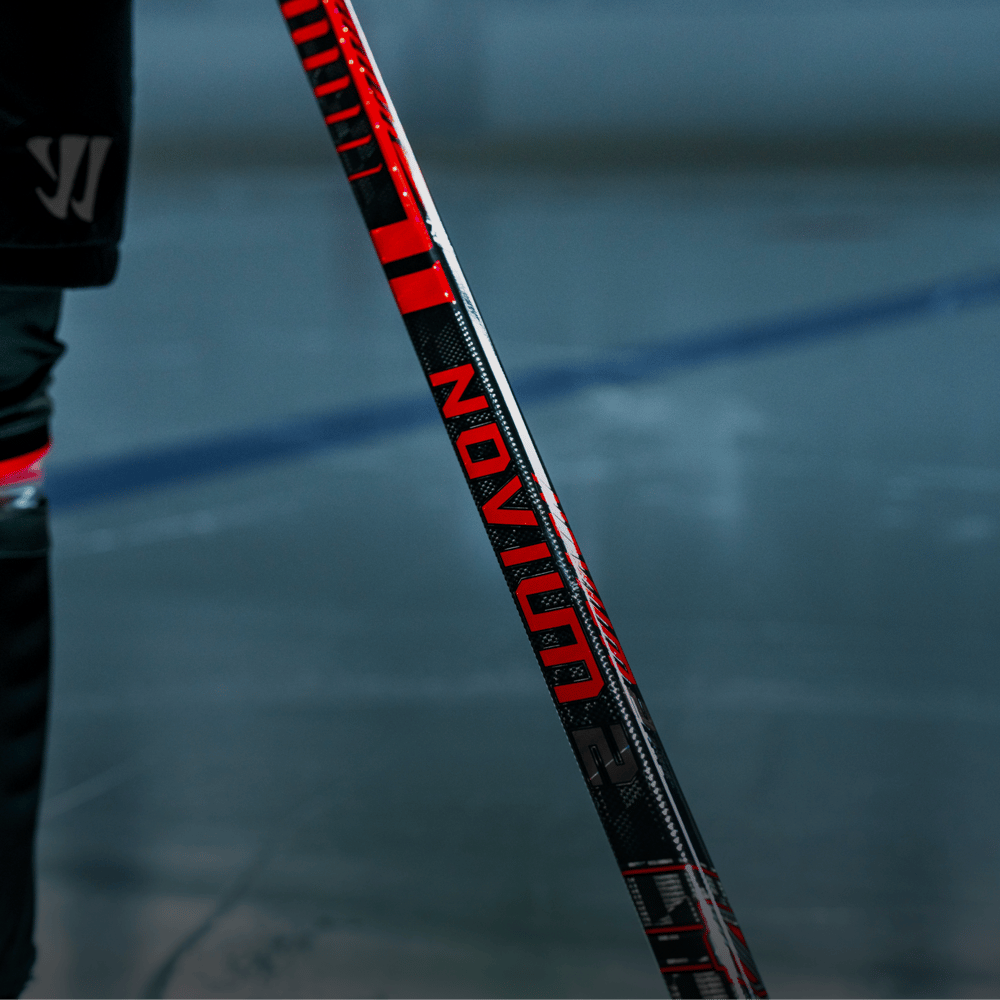
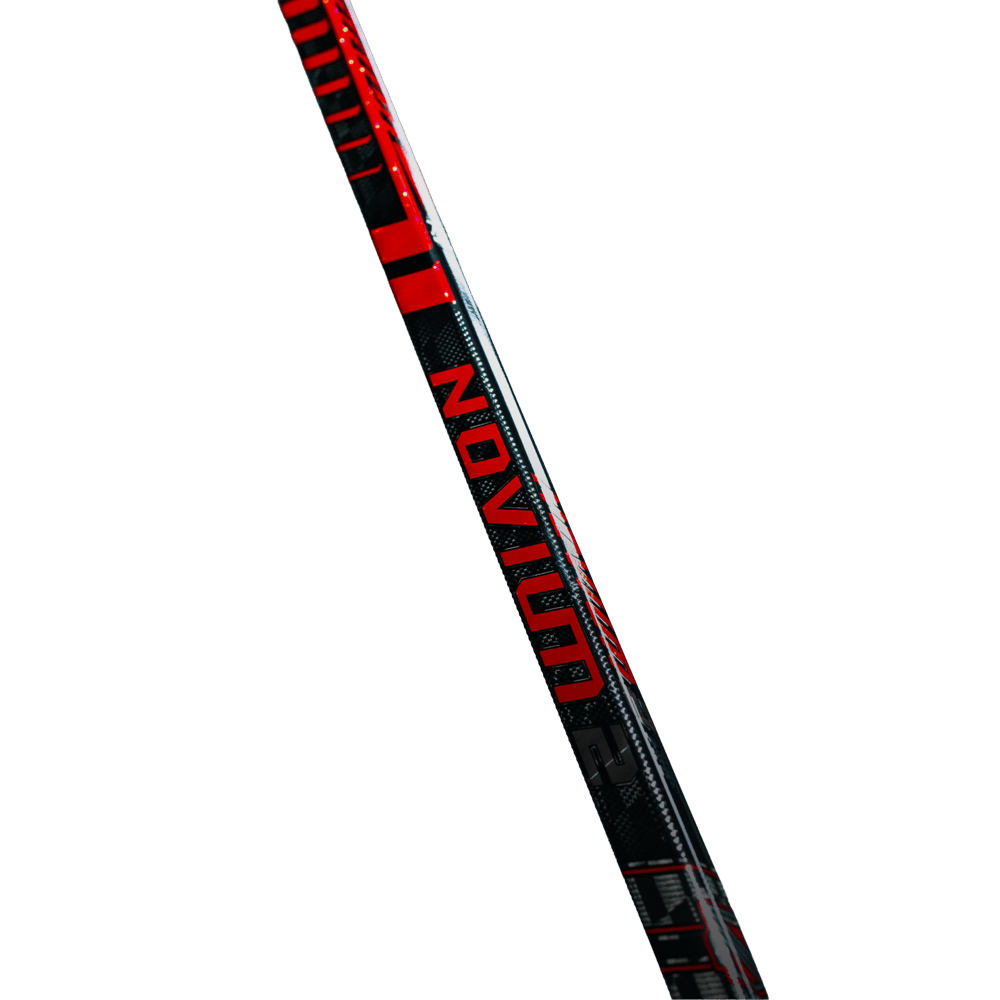
HOCKEY STICK BUYING GUIDE
Hockey Stick History
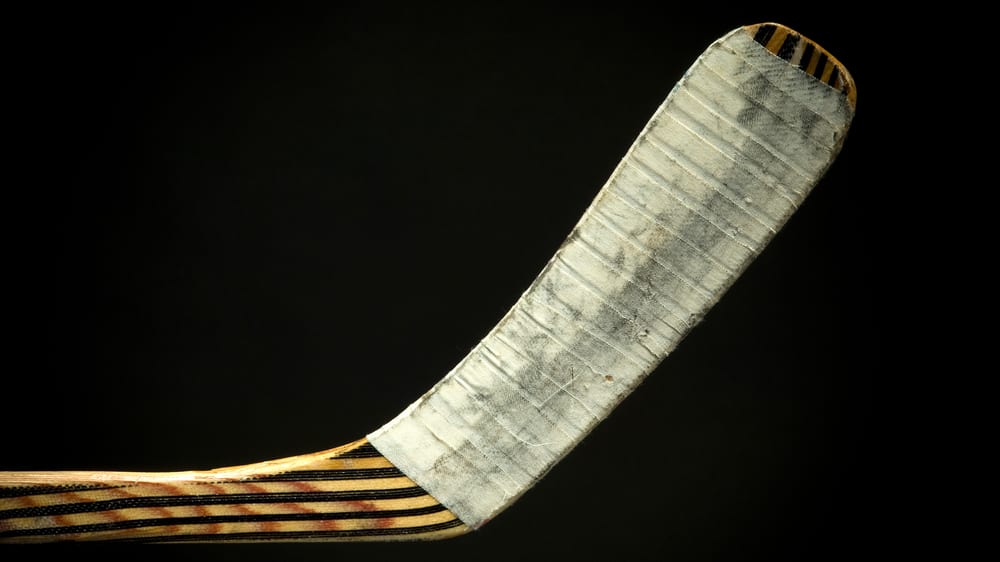
At their core, hockey sticks are the primary tool players use to handle the puck, pass with accuracy, and generate powerful, controlled shots. As materials and technology have advanced, so has the importance of choosing the right stick for your playing style and level.
Sticks started as heavy, straight wood and slowly evolved as players wanted more power, accuracy, and feel. Modern sticks are mostly composite, lighter, and tuned for different shot types and playing styles. That means there’s a stick for quick hands, one-timers, power shots, and everything in between.
main parts of the stick
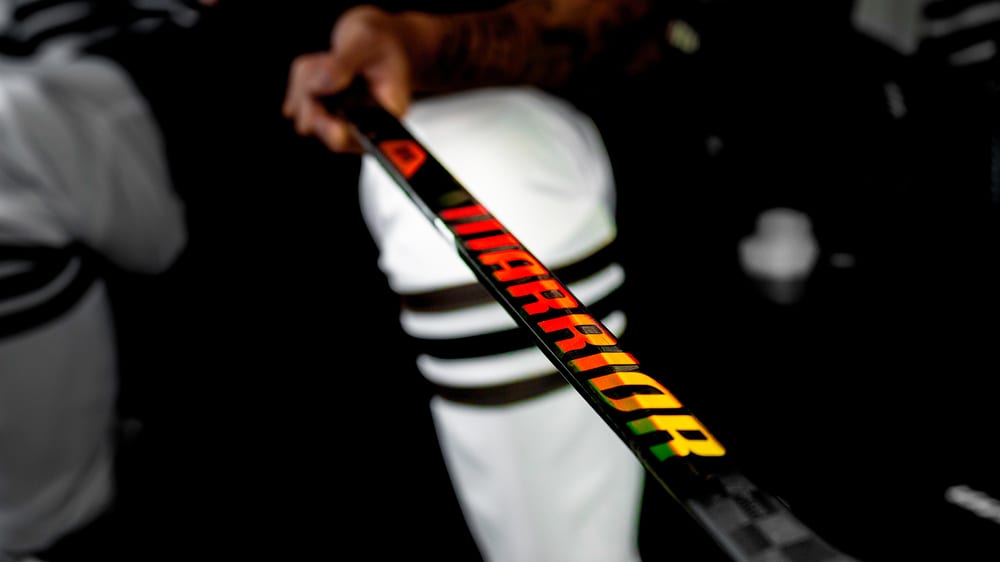
Every hockey stick is built around five key elements: the shaft, blade, flex, kick point, and lie—each playing a critical role in how the stick feels and performs on the ice. Understanding how these components work together will help you choose a stick that matches your shooting style, puck control preferences, and overall game.
The part of the stick you hold; stiffness and shape change feel and torque.
Where you control and shoot the puck; curve and toe shape matter.
How much the shaft bends under load; lower number = softer, higher number = stiffer.
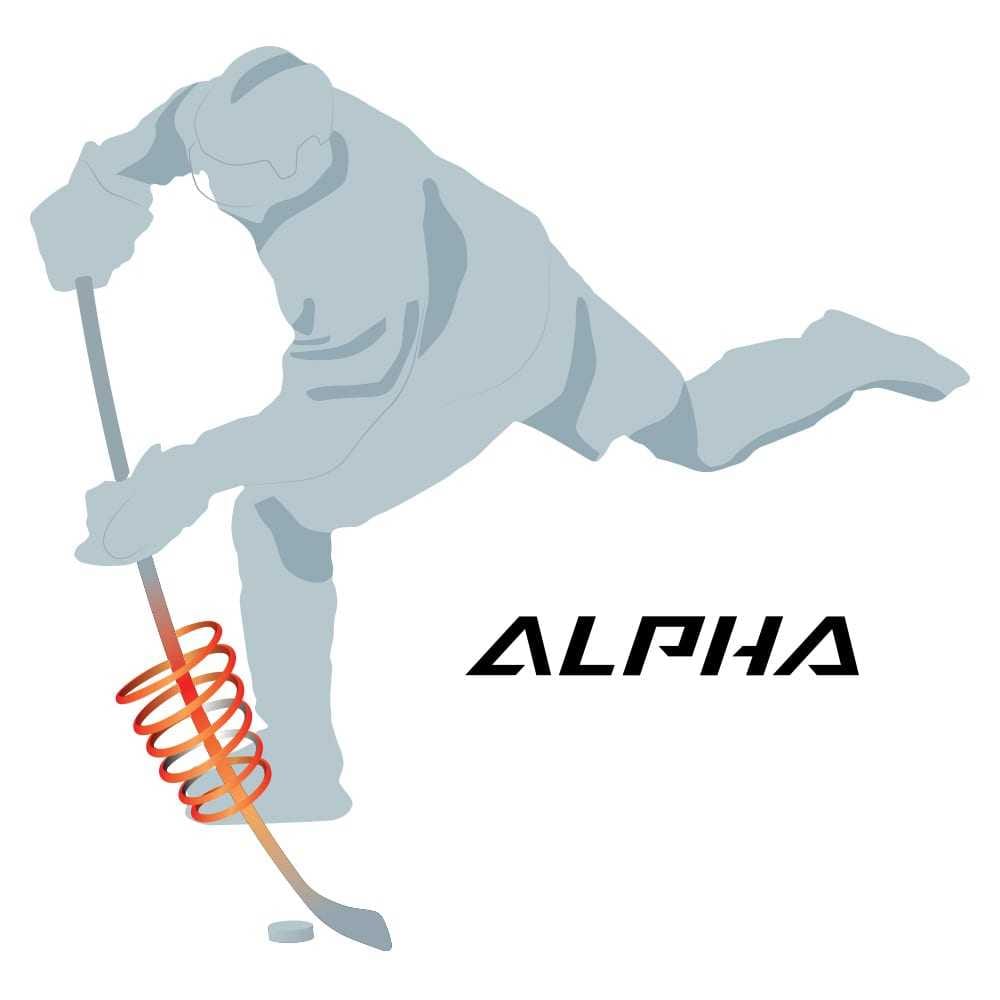
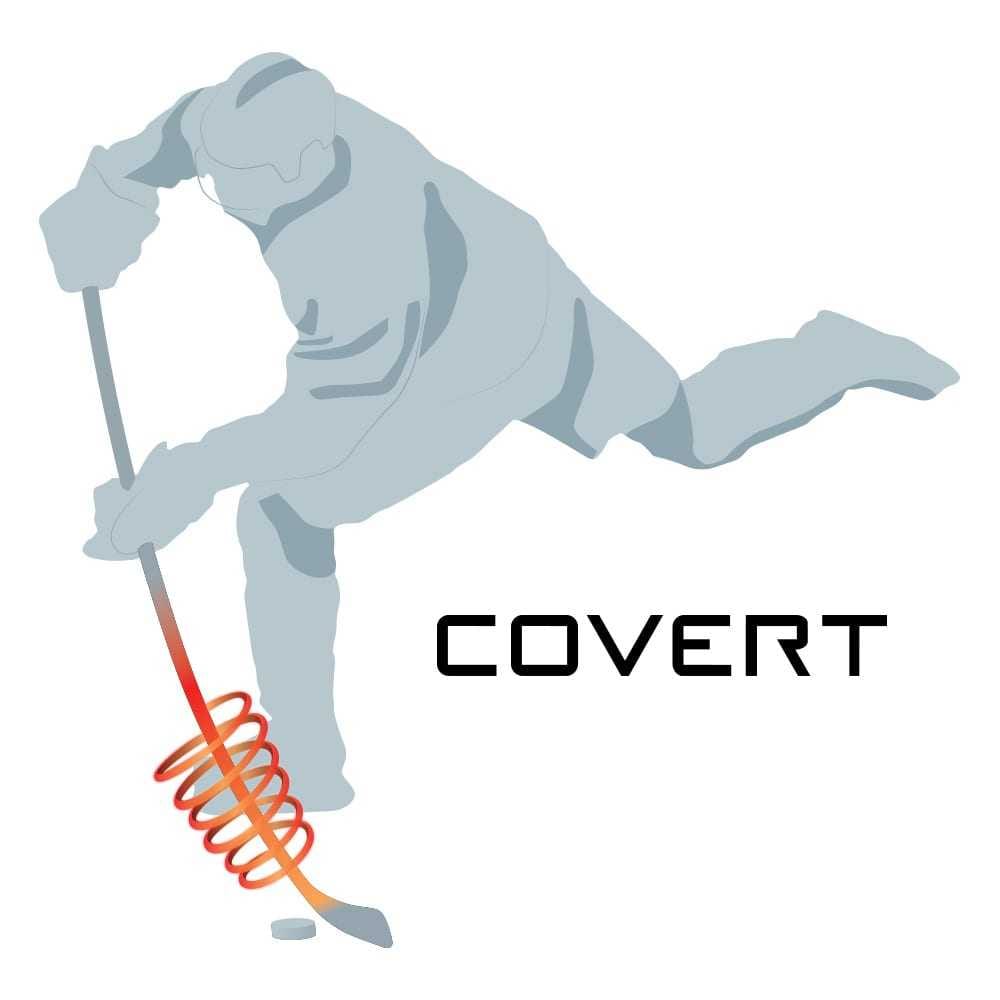
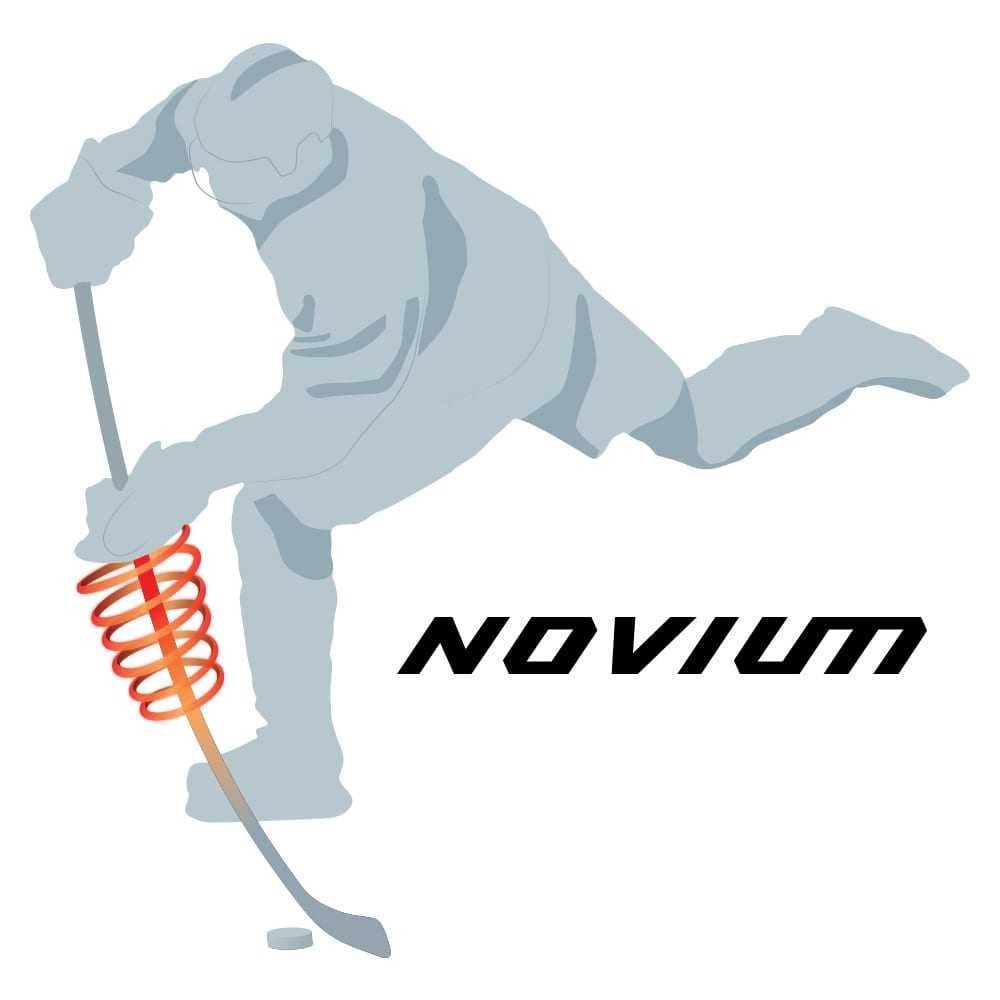
Where the stick wants to bend when you load it; affects release and power.
Angle between blade and shaft; affects how the blade sits on the ice.
HOW TO CHOOSE LENGTH AND SIZE
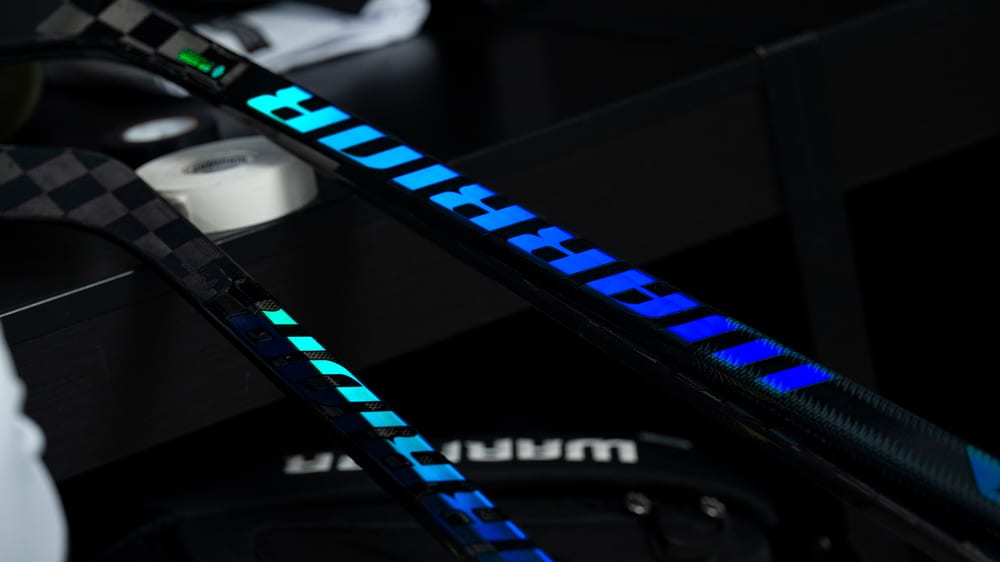

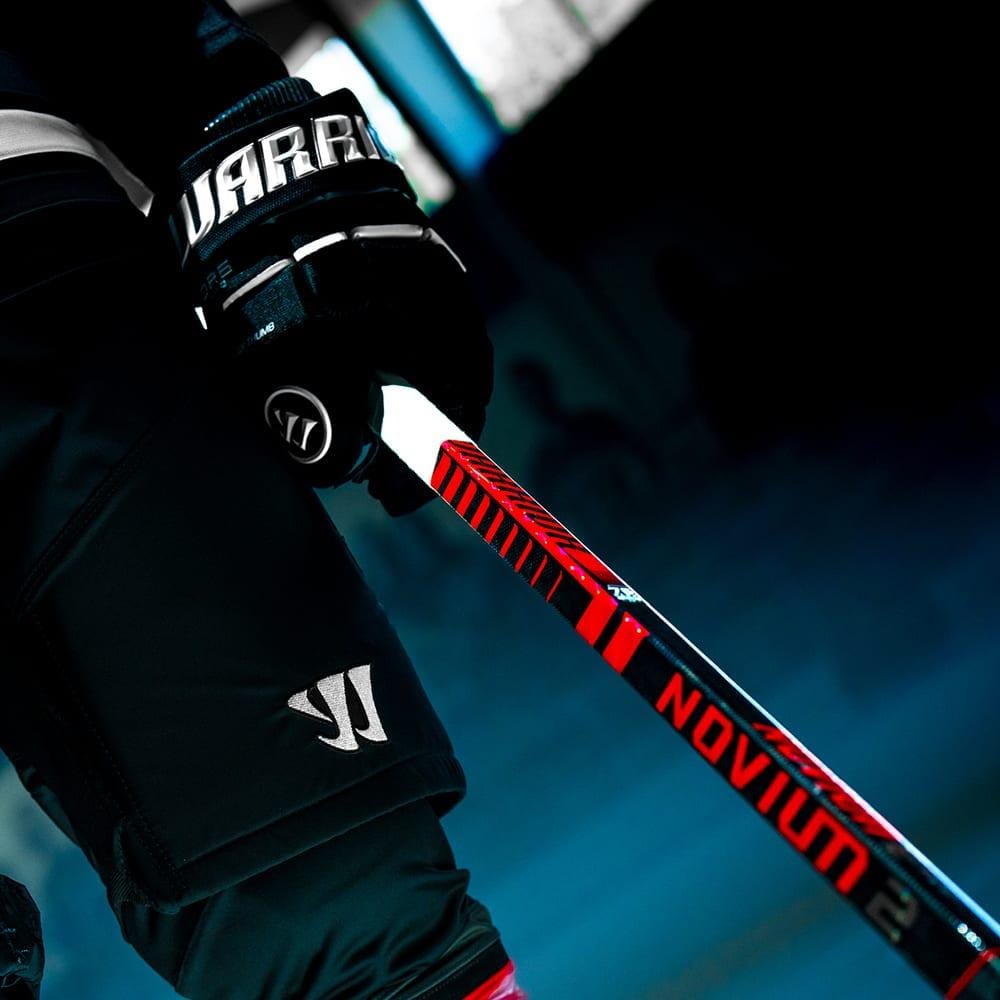
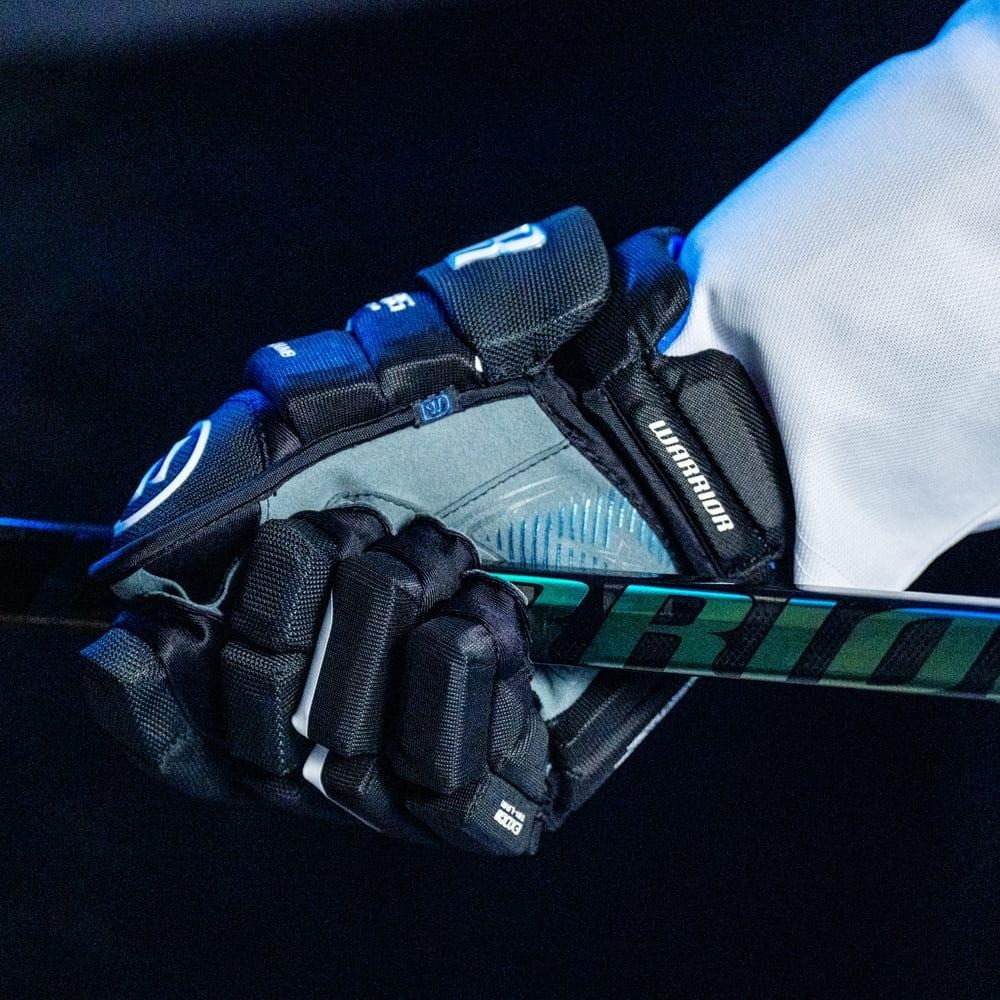
Stick Flex Explained
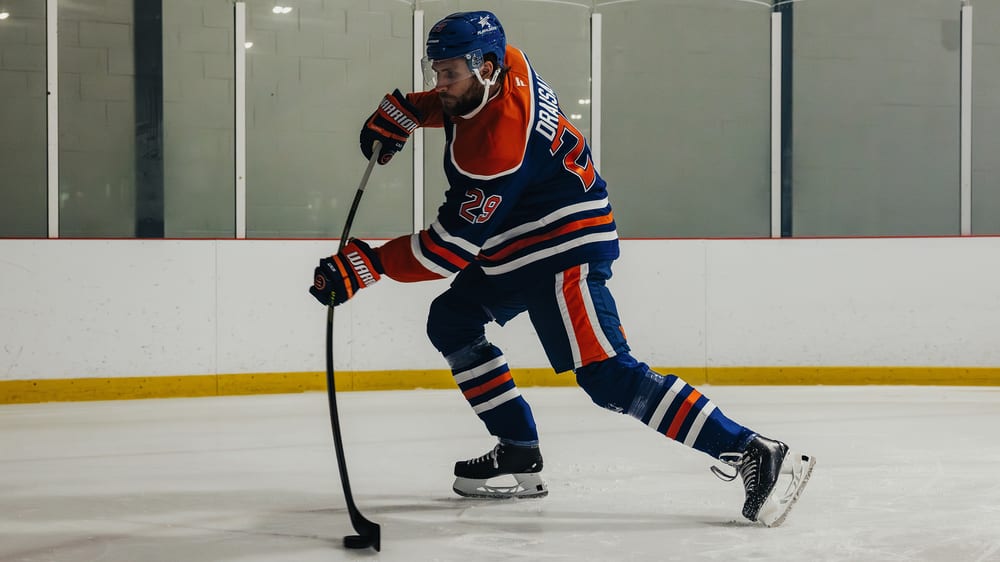
What flex is
How easy the stick bends.
It’s a number — lower = softer, higher = stiffer.
Why it matters
Flex affects shot speed, release, and pretty much everything you do with the puck — passing, face-offs, dump-ins, breakouts. Matching flex to your strength and shooting style matters more than you’d think.
How to pick a flex
Lighter players lean lower for quicker release; stronger players pick higher flex for more power. If you like quick wristers, go softer; if you hammer slap shots, go stiffer.
How flex is made
Manufacturers control flex by layering carbon fiber and shaping the shaft so it bends in certain ways.
KICK POINT MADE SIMPLE
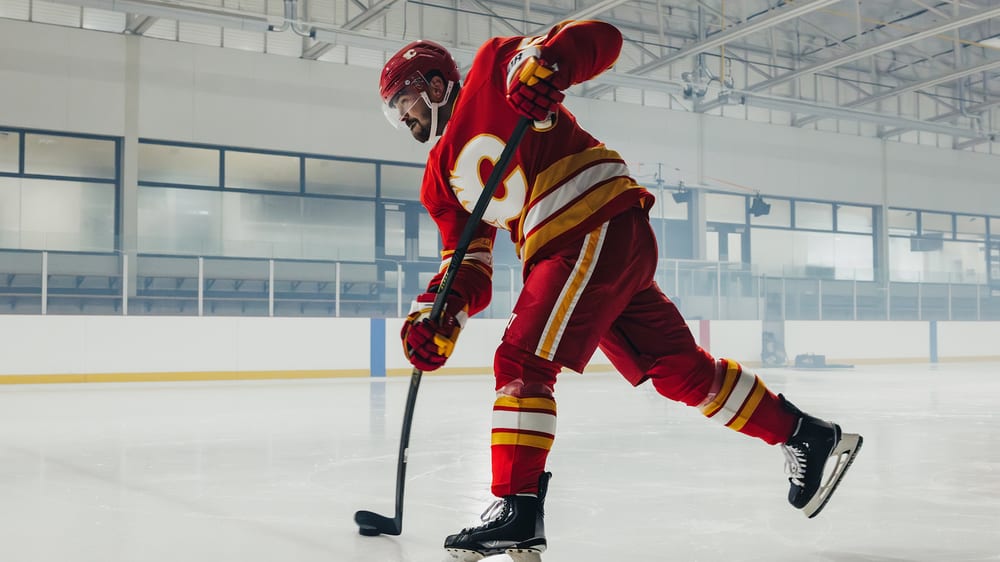
BLADE CURVE AND TOE SHAPE
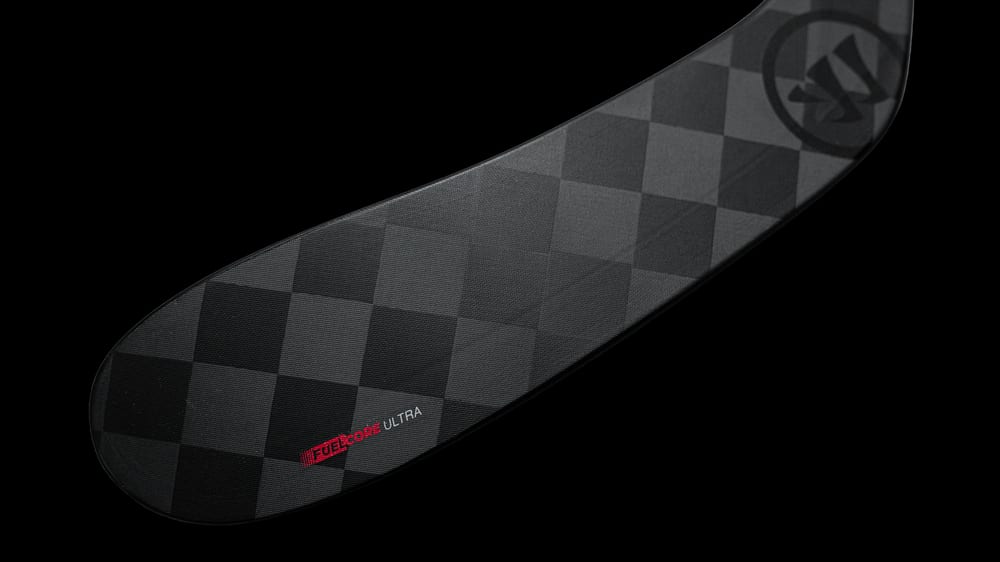
Curve depth
Deeper helps lift the puck and dangle; shallow helps accuracy and passing.
Curve location
Heel curves = one-timers and power; toe curves = dekes and quick lifts; mid curves = all-round.
Toe shape
Rounded toe for stick handling; square toe for quick releases and one-timers.
Open vs closed face
Open face lifts easier; closed face keeps shots lower.
HOW TO CHOOSE
Start with size
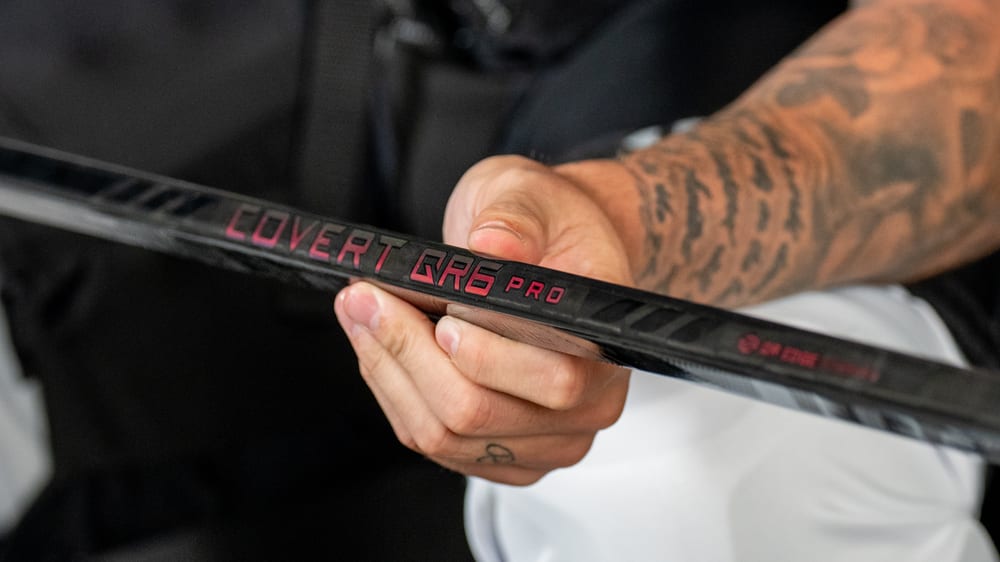
Choose Senior/Intermediate/Junior/Youth based on height and glove fit. Make sure the stick reaches between chin and nose with skates on.
Pick flex for strength
Kids need softer flexes so they can actually bend the stick and get power. Junior and youth sticks are made more flexible on purpose.
Grip and shaft shape
Smaller shaft profiles fit young players hands better.
Durability vs feel
Younger players often benefit from a tougher, cheaper stick while they learn — composites can be expensive and brittle for kids who break sticks.
QUICK BUYING CHECKLIST