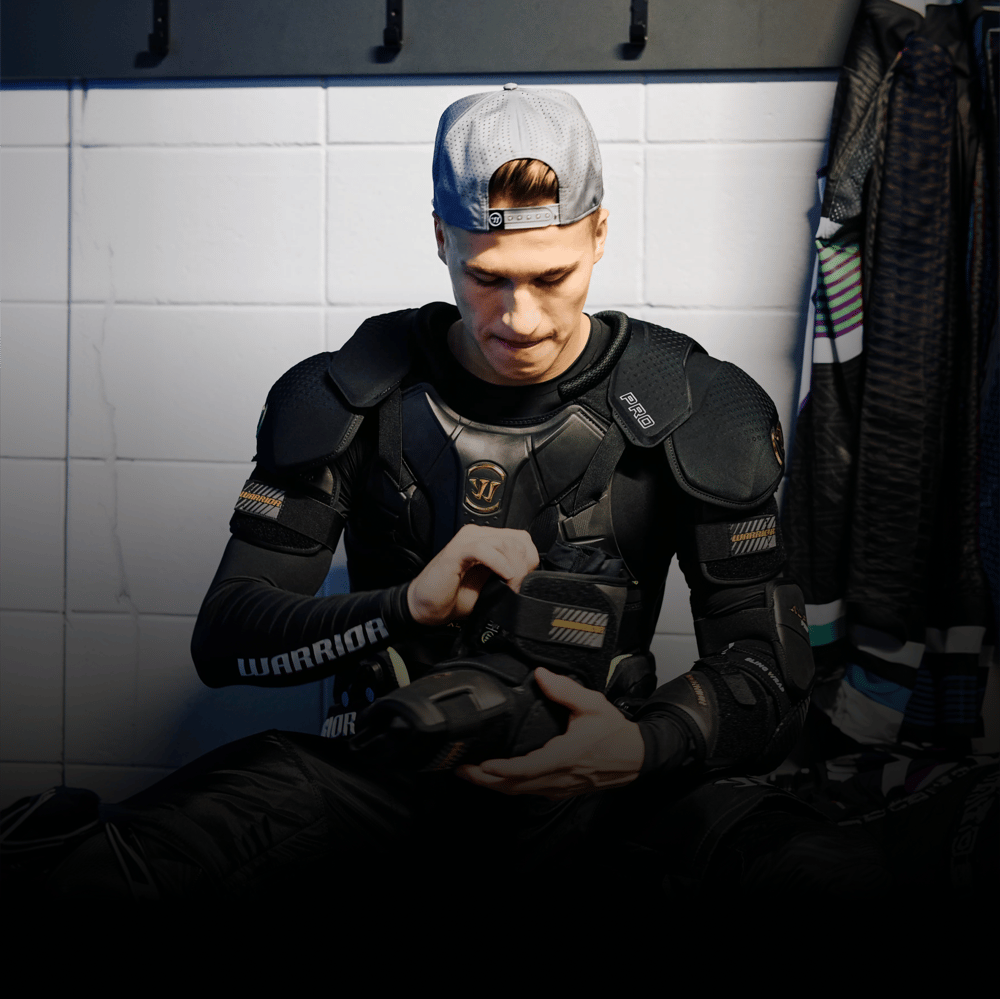

HOCKEY PROTECTIVE GEAR EXPLAINED
A Quick History
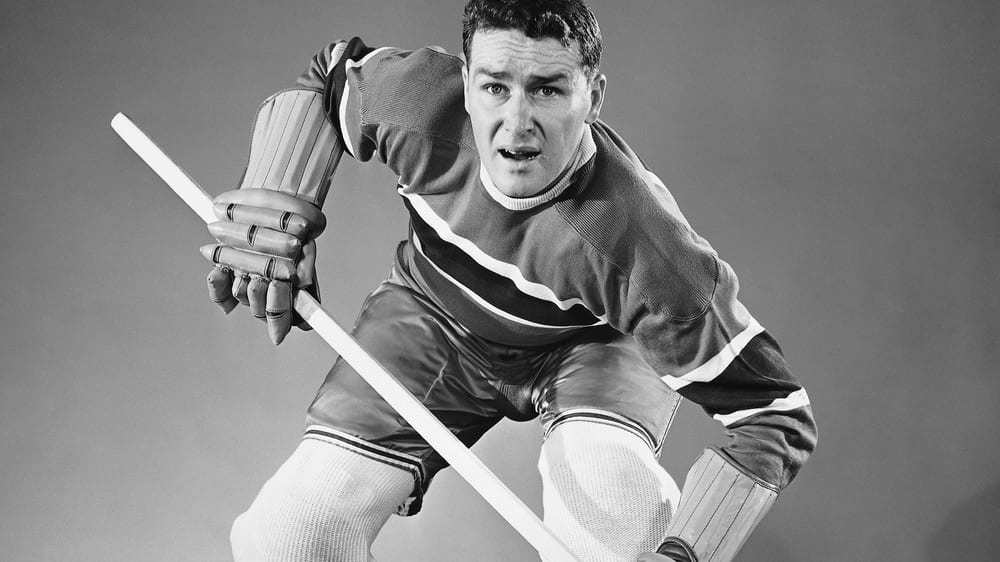
In the early days of hockey, players wore minimal padding—think thin leather and felt. For shin protection, some players even taped telephone directories to their legs to block shots and slashes. As the game got faster and more physical, equipment evolved dramatically. Today’s protective gear uses lightweight materials, advanced foams, and ergonomic designs, built to absorb impact while allowing players to skate, shoot, and check without compromise.
What is hockey protective designed for?
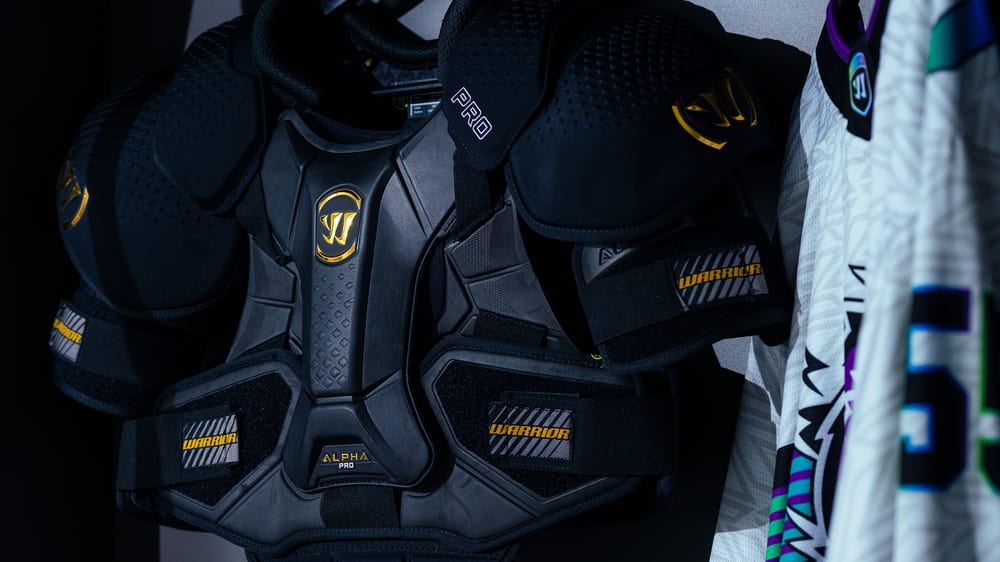
The main goal is impact protection—from pucks, sticks, and body checks—while maintaining mobility. Modern gear uses multi-density foams, molded plastics, and shock absorption technologies to disperse energy and reduce injury risk.
Breaking down the big three
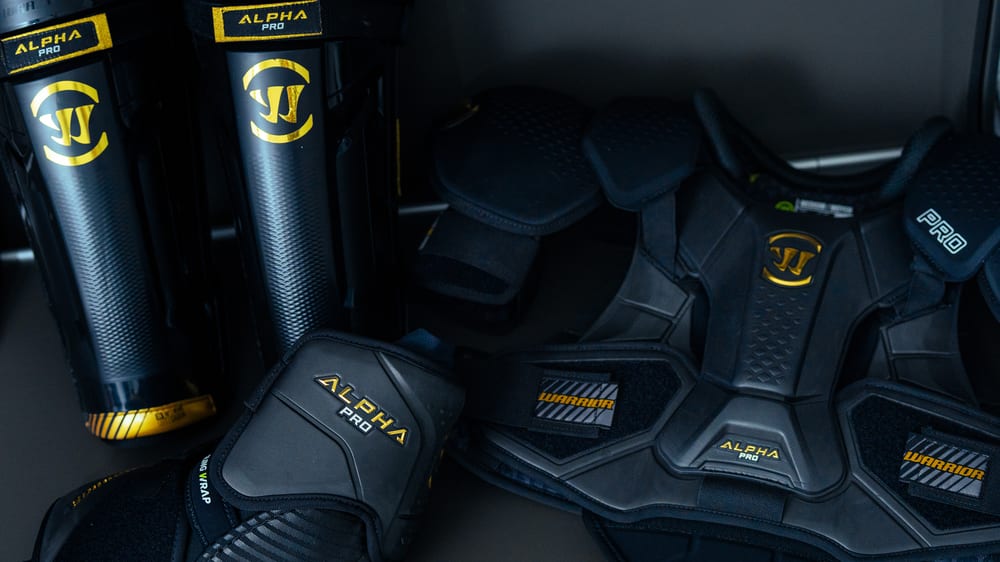
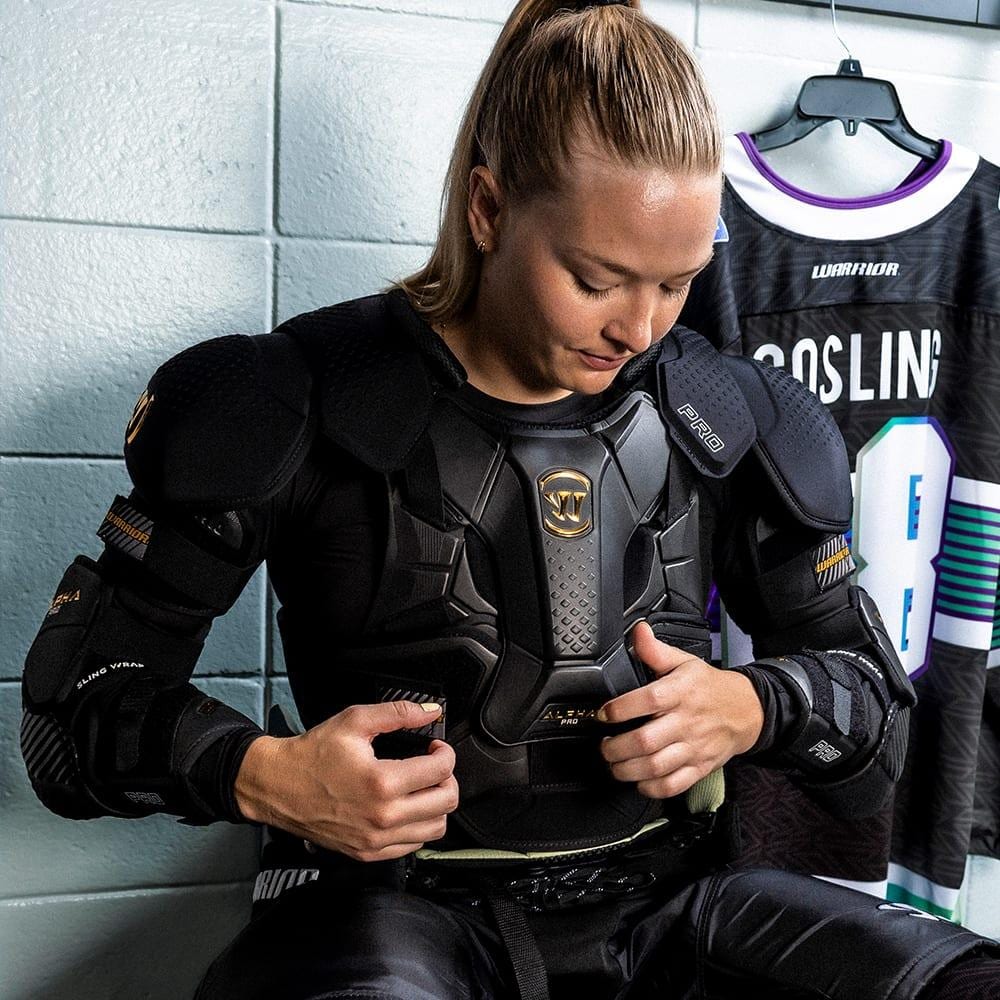
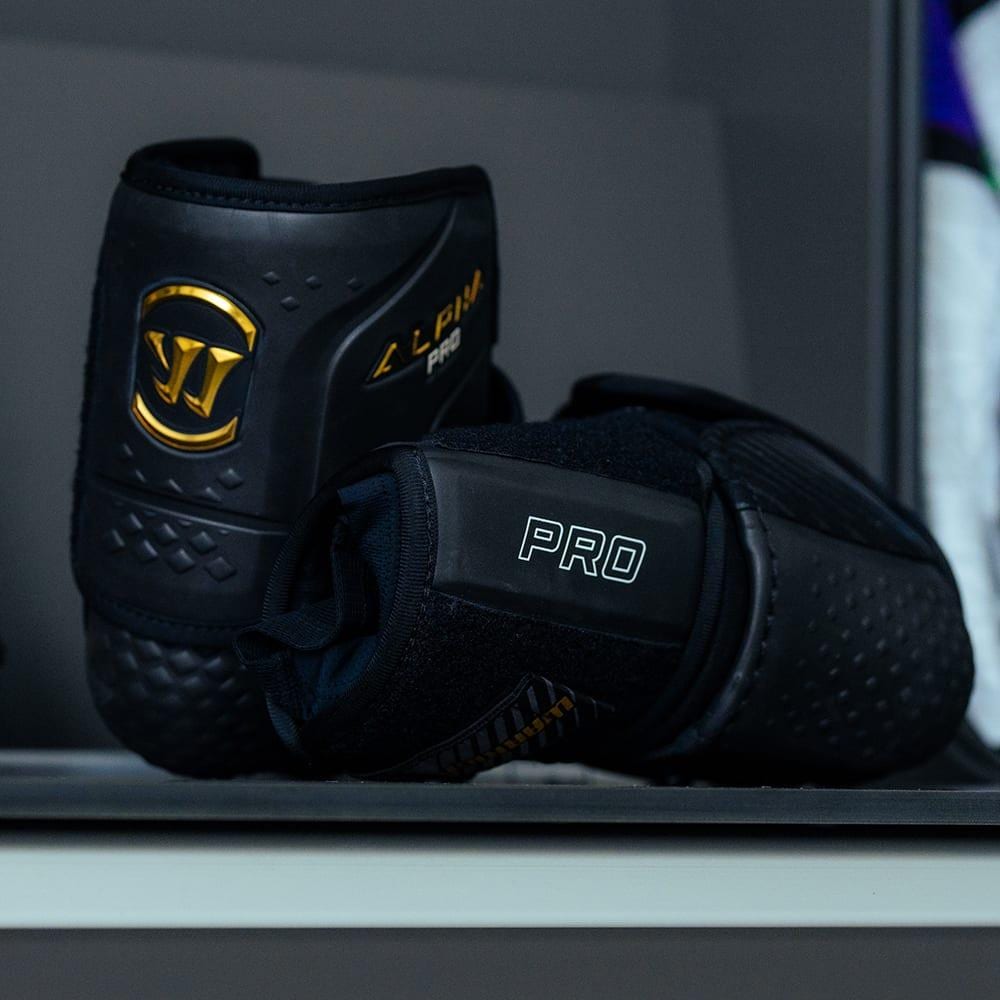
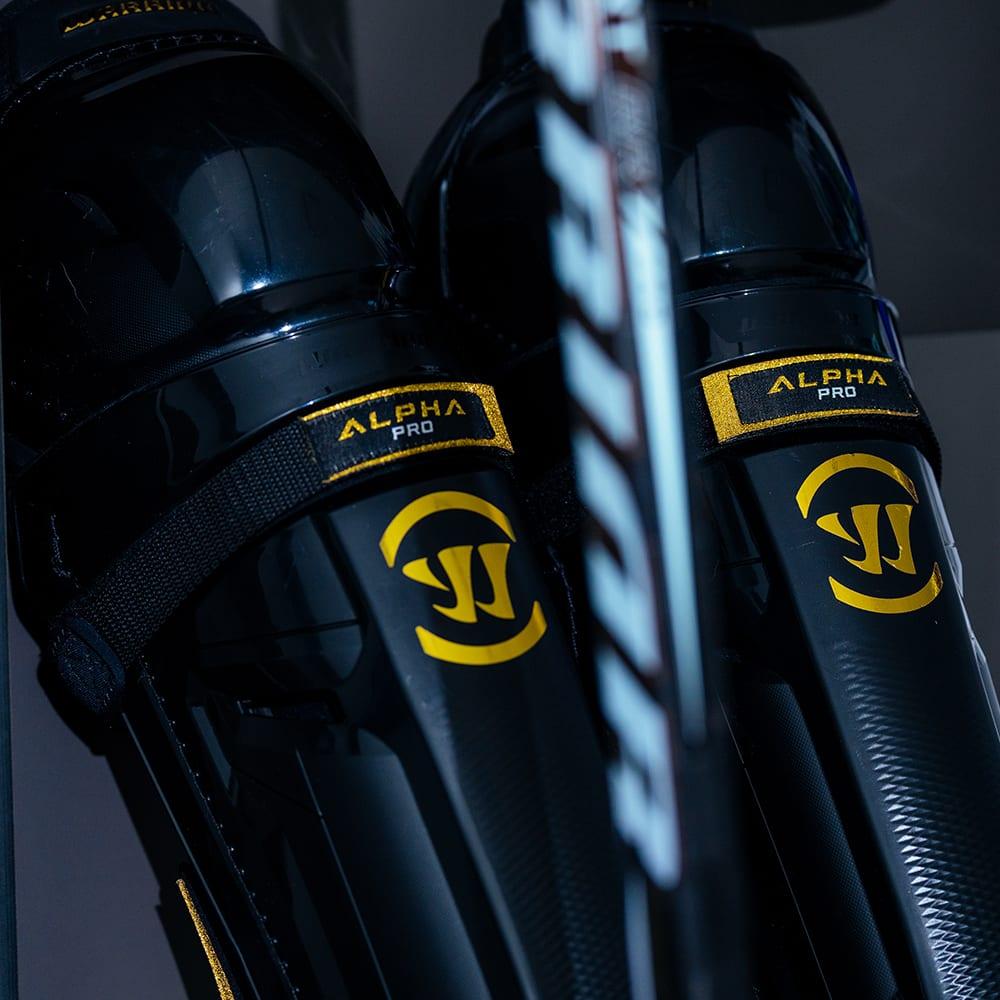
The foundation of any protective setup starts with three core pieces: shoulder pads, elbow pads, and shin guards. These are the impact zones — designed to absorb contact, protect key joints, and keep you playing through every shift. In this section, we break down what each piece does and how to choose the right one for your game.
Fit Matters
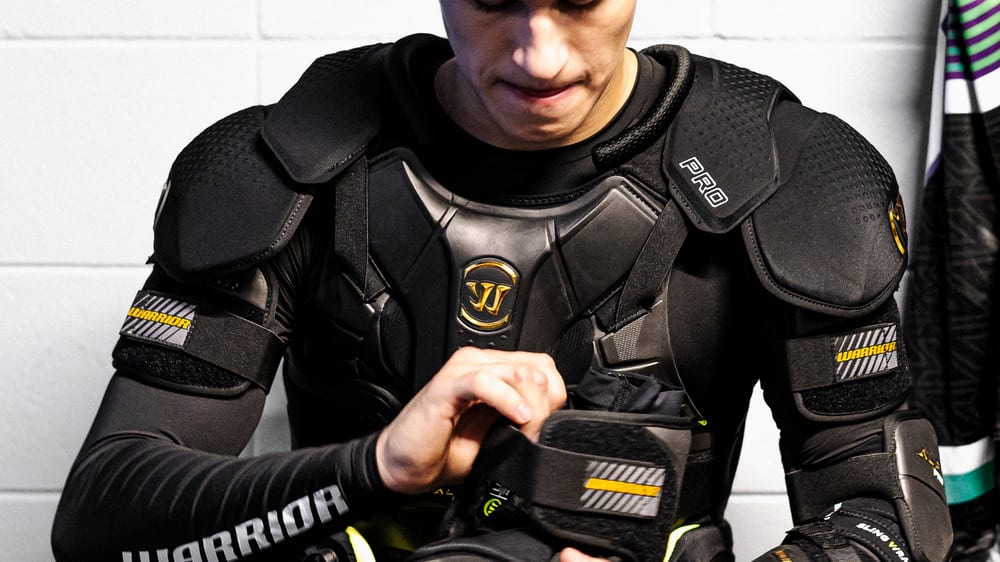
Protective gear should feel snug but not restrictive. Too loose, and it shifts during play; too tight, and it limits mobility. Always refer to the sizing guide for each piece of equipment, and try it on with your base layers for the best fit.
Why It Matters
Hockey is unpredictable. Proper protective gear isn’t just about following the rules—it’s about staying safe and confident every time you hit the ice.
Quick Tips for Choosing Protective Gear
Look for lightweight, multi-density foams for comfort and impact absorption.
Check for secure strapping systems to keep pads in place.
Replace gear when it shows signs of wear or after major impacts.
Always size according to the manufacturer’s guide.