HOCKEY HELMETS EXPLAINED
Hockey Helmet History

Believe it or not, hockey wasn’t always a helmet sport. In the early days, players skated bareheaded—even as the game got faster and more physical. Helmets started showing up in the 1970s, but adoption was slow. It wasn’t until 1979 that the NHL made helmets mandatory for all new players. Veterans could still go without, and some did for years.
Since then, helmet technology has come a long way. What started as simple plastic shells with basic padding has evolved into highly engineered protective systems. Today’s helmets are lighter, stronger, and smarter, designed to manage impact forces while staying comfortable for hours on the ice. The goal? Keep players safe without slowing them down.
What Is a Hockey Helmet Designed For?
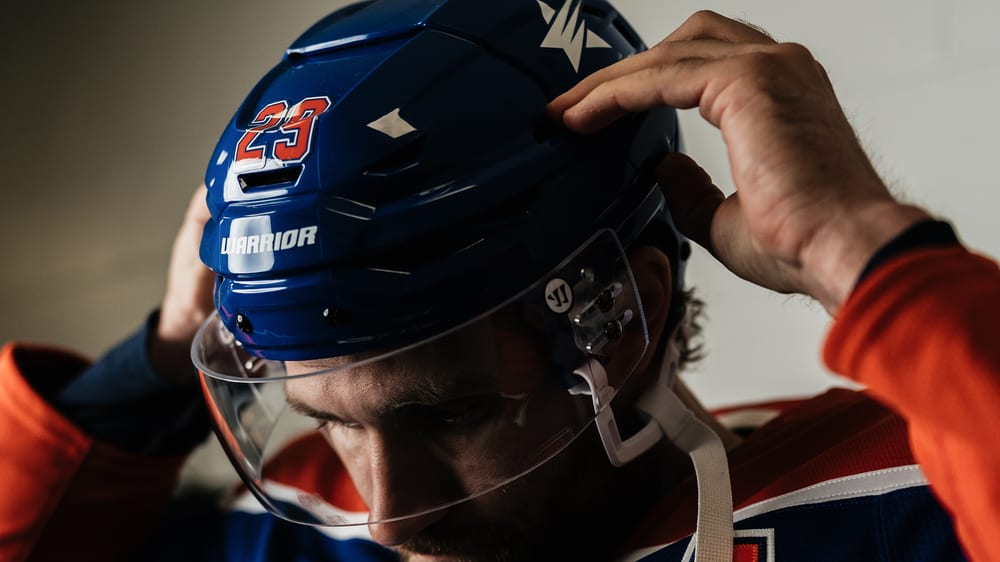
The main job of a hockey helmet is simple: protect your head. Specifically, it’s designed to reduce the risk of skull fractures and serious head injuries during play. Helmets are tested and certified by organizations like CSA (Canadian Standards Association) and HECC (Hockey Equipment Certification Council) to meet strict safety standards. If your helmet doesn’t carry these certifications, it’s not game-ready.
But protection isn’t just about hard shells—it’s about fit, comfort, and impact absorption.
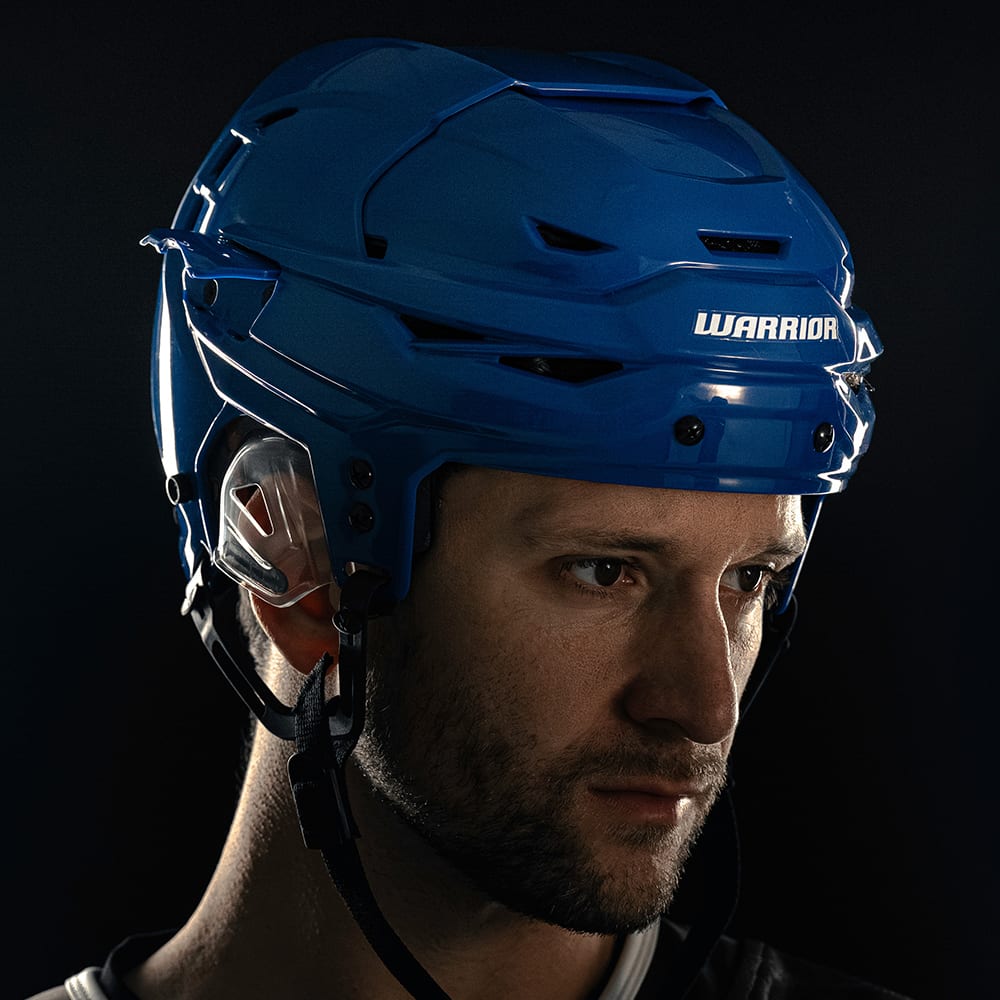
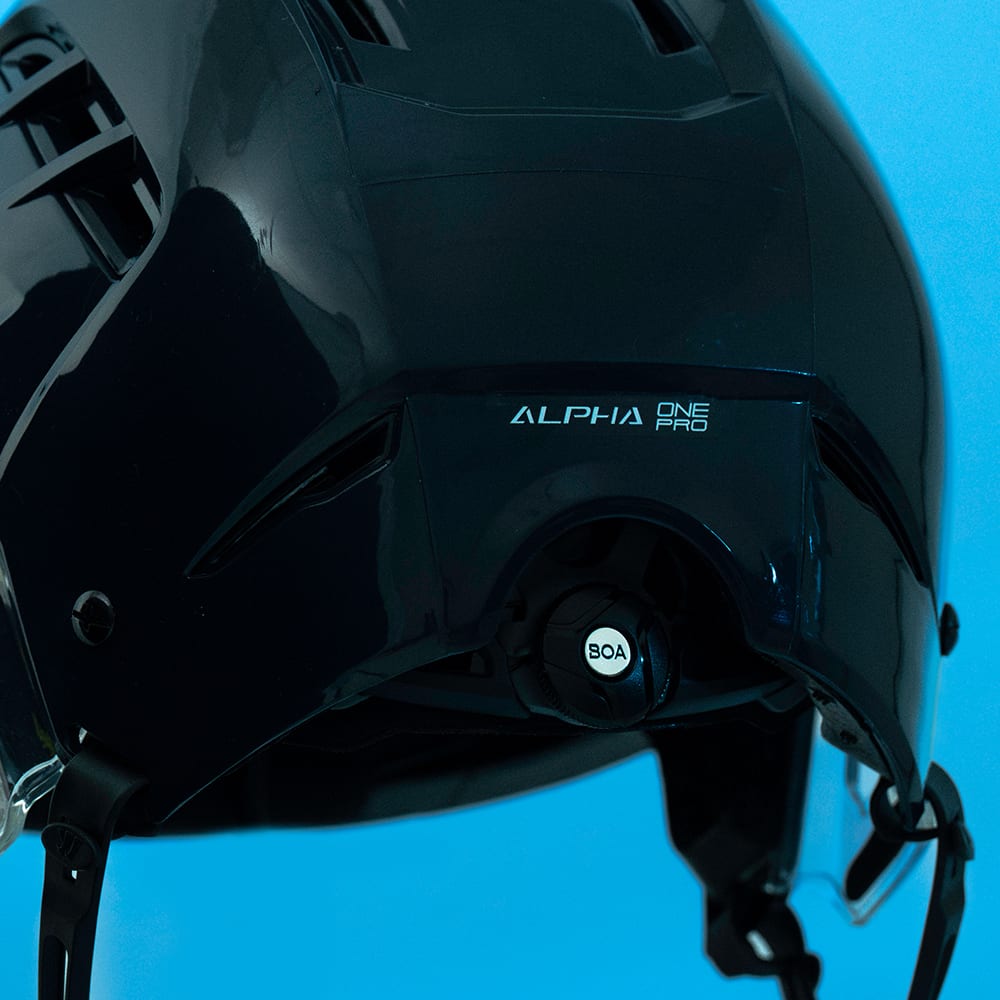
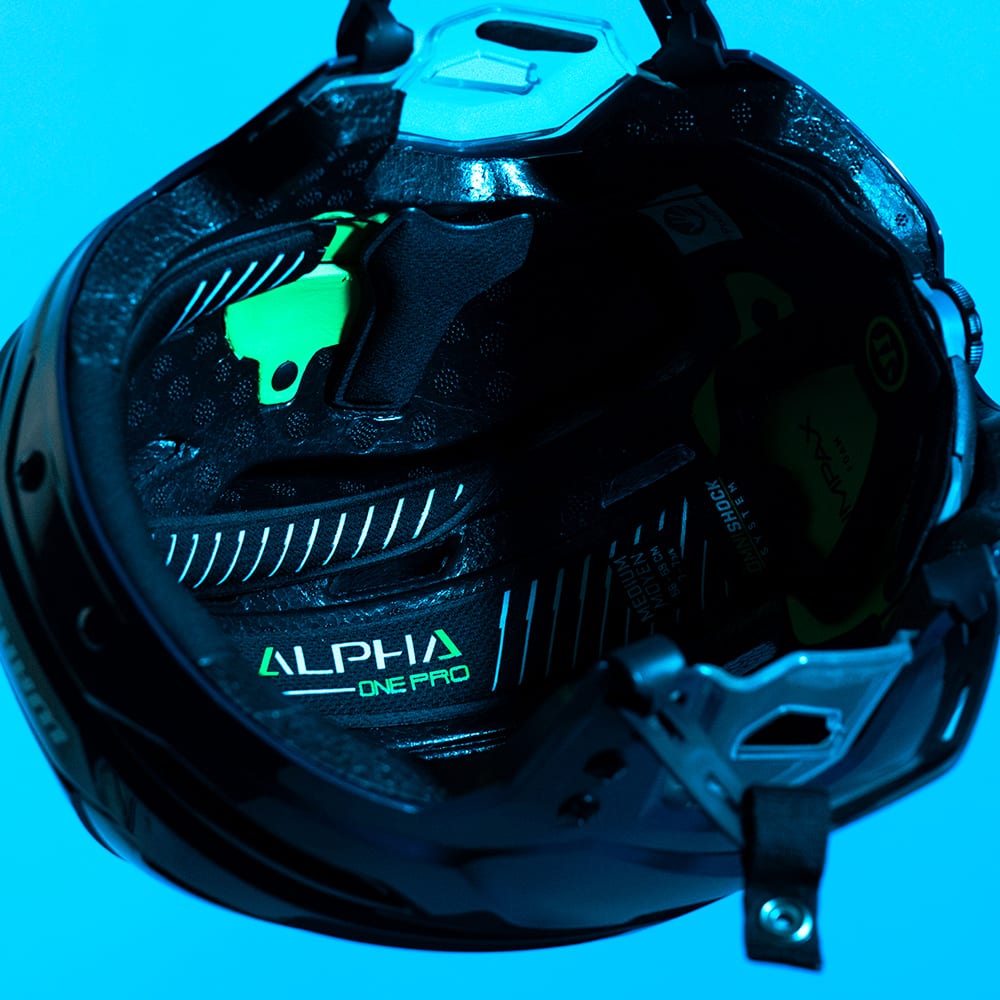
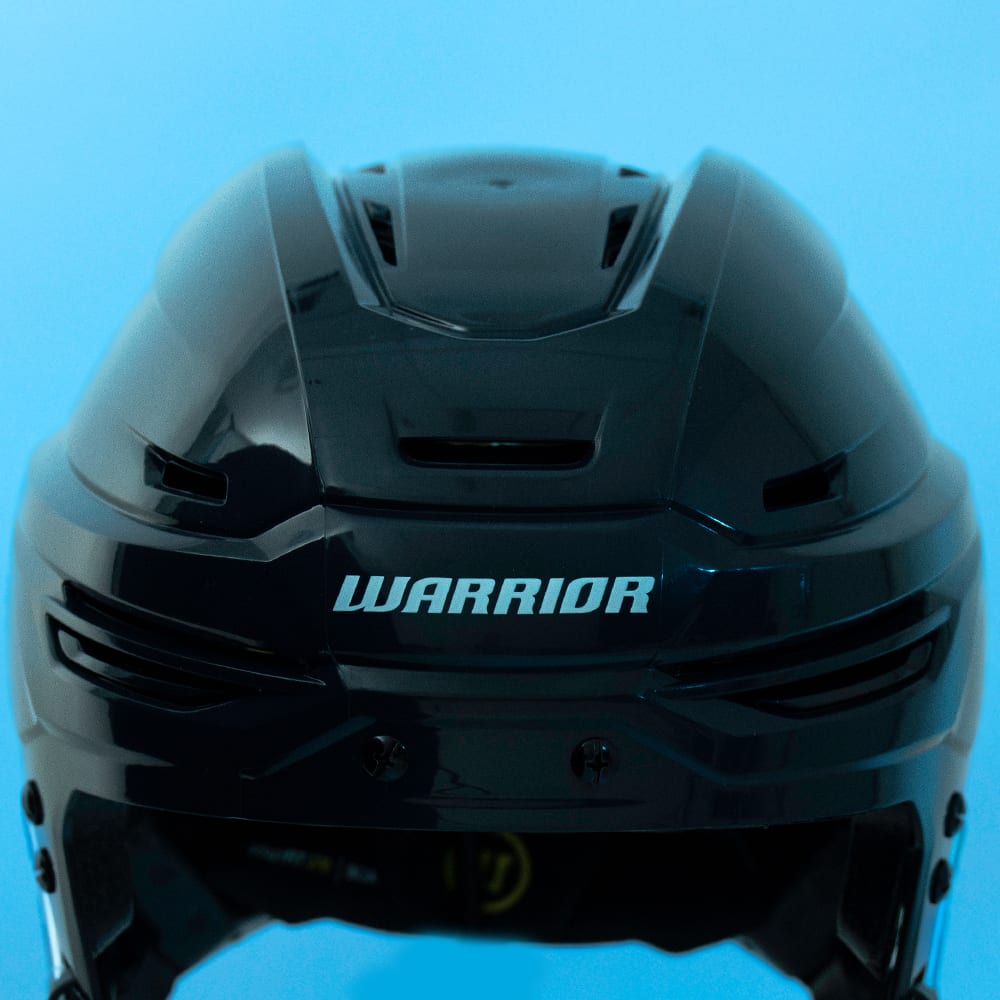
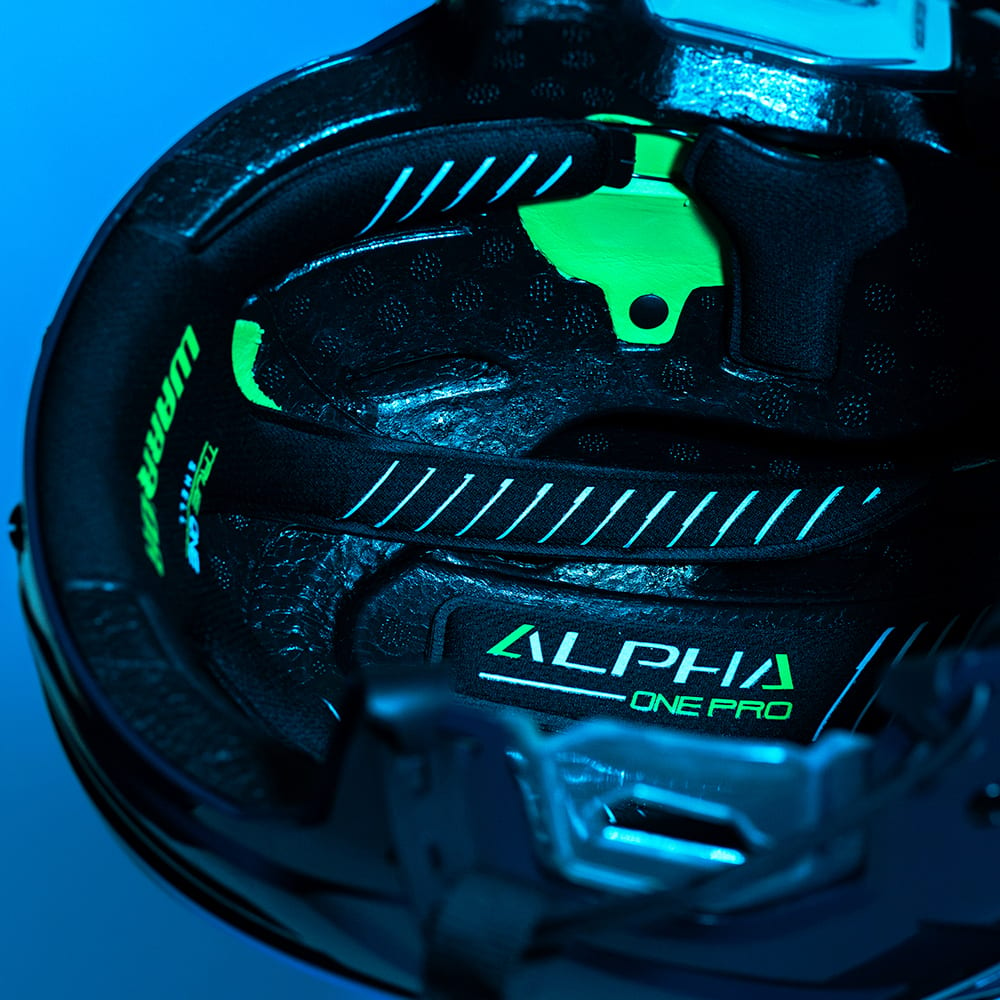
Parts of a hockey helmet


Quick Tips for Choosing a Helmet