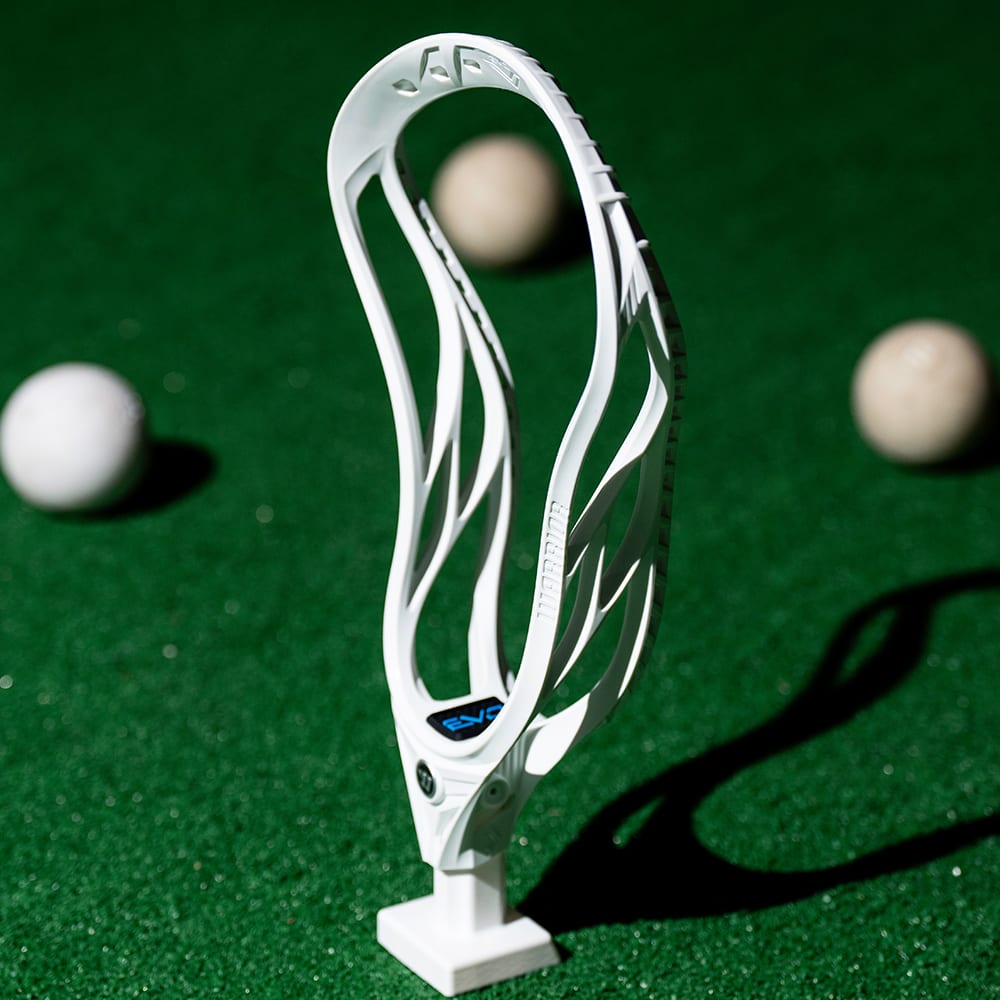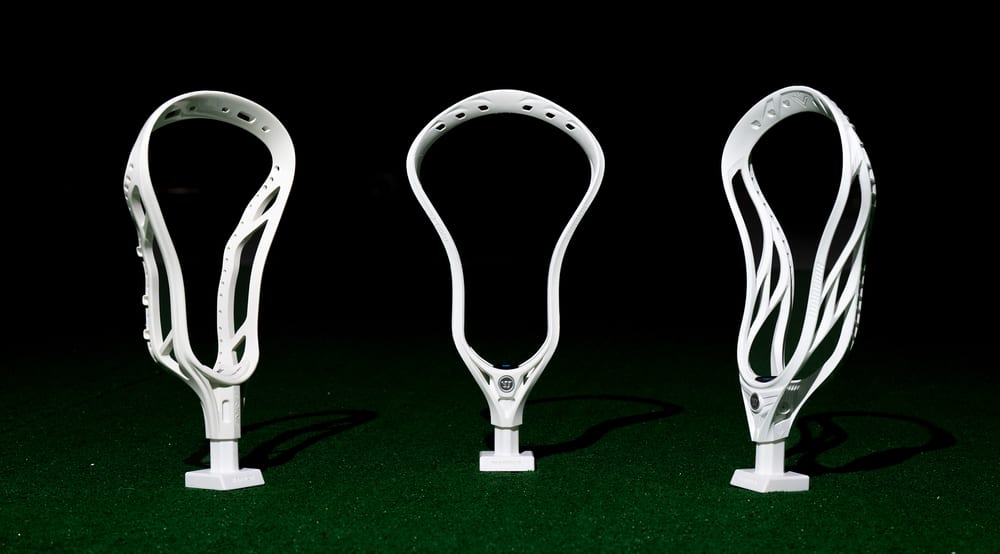
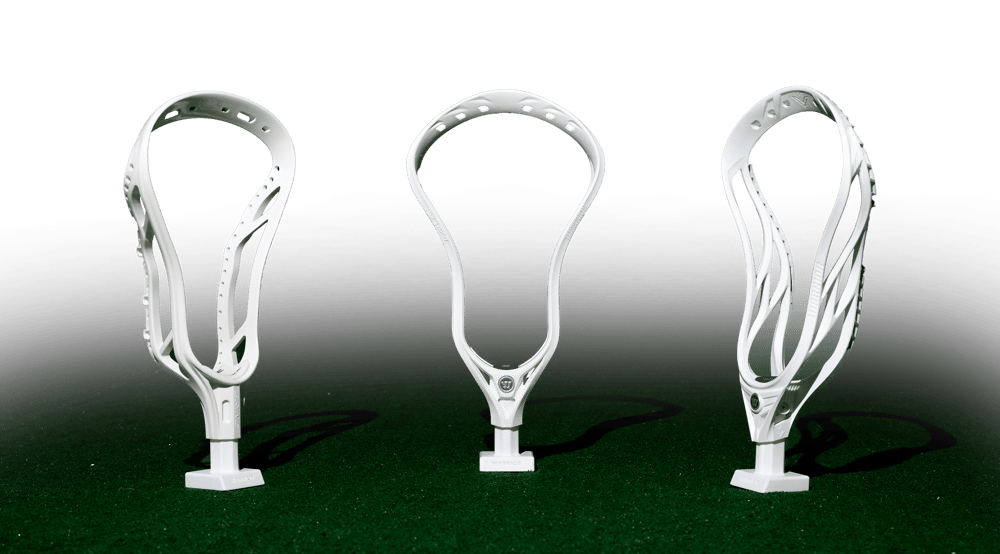
CHOOSING THE RIGHT LACROSSE HEAD
Welcome to the thrilling world of lacrosse! As players and parents embark on this exciting journey, one of the most crucial decisions you'll face is choosing the right lacrosse head. Younger developing players will play both sides of the field and may become more position specialist as they gain more experience and skill. Whether you’re an aspiring youth player, attackman, mid-fielder, defenseman, or specialist; understanding the nuances of this decision will elevate the game for everyone involved. Let’s break it down!
Understanding the Different Sections of the Lacrosse Head
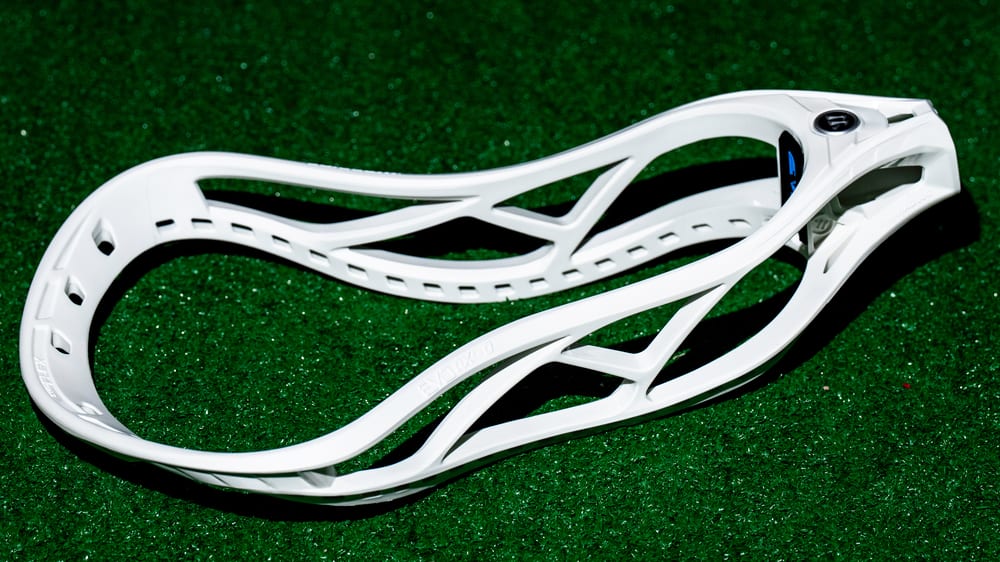
Understanding Head Types for Each Position
Attackmen thrive on quick release, ball control, accurate passing, and shot speed.

Specialization Begins
In the 1980’s and 90’s, brands began to push the boundaries with new innovations.
Head shapes began to evolve. Soon you had pinched throats for better ball control, flared sidewalls, and offset heads and tech which gave players better hold and feel, leading to faster, more dynamic gameplay.
Tech Wars & Position-Specific Heads
In the 2000’s heads began to cater to specific positions — attack, defense, FOGOs (faceoff get-off), goalies, etc. This led to the stringing revolution. Mesh (especially hard mesh) became dominant over traditional leathers. Innovations like mesh pockets with wax, semi-soft, and performance coatings became popular.
High-Tech Advancements
From the 2010’s to the present advanced developments in resins has been the epic tale. With the advancements in 3D printing & CAD design, heads are now engineered digitally for optimal flex, strength, and ball control.
It’s been a fascinating evolution — and arguably, the lacrosse head is the most innovation-rich piece of equipment in the sport.